Top Things in Orvieto for a Memorable Day
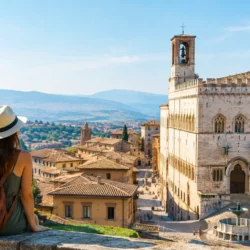
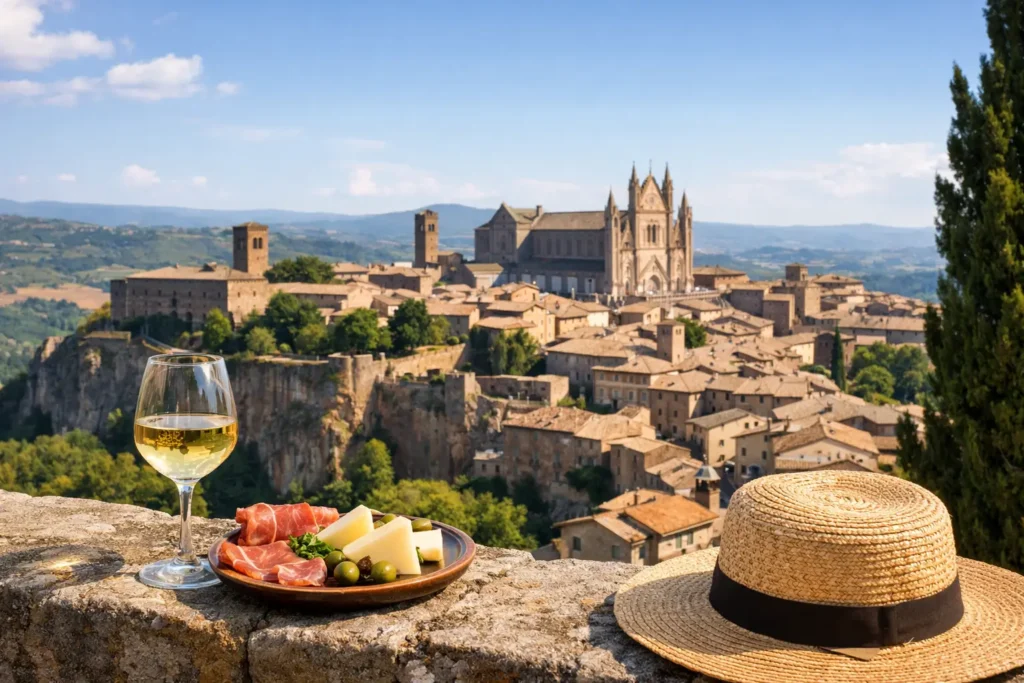
Orvieto announces itself before you reach it: a golden-brown tufa cliff rising above vineyards, olive groves, and the Umbrian plain. For travelers deciding on the top things in Orvieto, that dramatic setting is only the beginning. This is a compact hill town with an extraordinary cathedral, layers of Etruscan history beneath its streets, and the kind of small pleasures that reward a slower walk: a glass of crisp local white wine, a quiet lane, and a view that seems to stretch across central Italy.
Orvieto can be visited in a day from Rome, Florence, or elsewhere in Umbria, but it deserves more than a hurried stop for a cathedral photograph. Give yourself time to understand how the city was built, why its wells and tunnels mattered, and how its medieval center still works as a living town.
Top Things in Orvieto: Start at the Duomo
The Duomo is the essential first stop, and not simply because its façade is spectacular. Its glittering mosaics, marble reliefs, and slender pinnacles tell biblical stories in a richly decorative style that feels almost theatrical in the changing light. Stand back in Piazza del Duomo to take it in properly, then move closer to notice the carvings, small figures, and shifting colors of the stone.
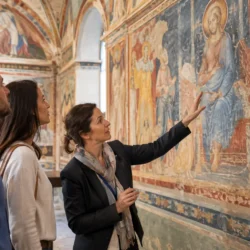
Inside, the cathedral has a more restrained grandeur, leading your eye toward the Chapel of San Brizio. Here, Luca Signorelli’s fresco cycle on the Last Judgment is one of Italy’s great Renaissance achievements. The painted bodies are energetic, expressive, and at times unsettling. Signorelli’s daring depiction of movement and anatomy influenced later artists, including Michelangelo.
A guided visit is especially valuable here. The Duomo’s imagery is densely layered with theology, civic pride, papal history, and artistic rivalry. Without context, it is easy to admire the surface and miss the stories that make the building so memorable. If your schedule is tight, make this the one sight you do not skip.
Go Underground to See Orvieto’s Earlier City
The streets of Orvieto sit above an extensive underground world. For centuries, residents carved the soft volcanic tufa beneath their homes and public buildings, creating wells, cellars, cisterns, workshops, and escape routes. These spaces reveal how resourceful a hilltop community needed to be.
An underground tour often includes caves used for storing food and wine, pigeon houses cut into the rock, and ancient water systems. The most compelling aspect is not one individual chamber but the accumulated evidence of daily life. Orvieto was never simply a beautiful town on a cliff. It was a carefully engineered settlement, shaped by the need to collect water, preserve supplies, and defend itself.
Visits run on scheduled times and can be popular in high season, so plan this activity in advance if it matters to your itinerary. It is also a good choice for a hot afternoon, when the streets above are at their brightest and warmest.
Descend the Well of St. Patrick
The Pozzo di San Patrizio, or Well of St. Patrick, is one of Orvieto’s most ingenious monuments. Built in the 16th century for Pope Clement VII, it was designed to guarantee water during a siege. Its double-helix staircase allowed animals carrying empty and full water containers to pass without meeting.
Walking down is a striking experience. The cool stone walls, repeated arches, and glimpses of water far below make the scale of the structure tangible. There are many steps, however, and the return climb is real work. Travelers with limited mobility may prefer to admire the well from above and spend their energy on the historic center.
The well lies near the upper funicular station, making it a sensible first or last stop. Arrive by funicular from Orvieto Scalo and you can begin here before walking toward the Duomo through the town’s central streets.
Follow the Medieval Streets Without Rushing
Orvieto’s best moments are often between its headline monuments. From Piazza del Duomo, wander along Corso Cavour and allow yourself to turn into the smaller side streets. Look for stone portals, flower-filled windows, tiny shrines, and sudden openings toward the countryside. The town is walkable, but its uneven paving and gentle rises call for comfortable shoes.
Torre del Moro provides one of the best high viewpoints in the center. Climbing the tower gives you a close look at Orvieto’s rooftops, the cathedral’s striped walls, and the surrounding agricultural landscape. On a clear day, it helps explain the strategic importance of this plateau.
For a quieter perspective, continue toward the edges of town. The public gardens of the Albornoz Fortress offer broad views and a pause from the busier streets around the Duomo. This is a fine place to appreciate Orvieto’s position above the valley, particularly in late afternoon when the light softens across the tufa walls.
Look for Etruscan Orvieto Beyond the Main Squares
Long before the medieval city took shape, Orvieto was an important Etruscan center, known as Velzna or Volsinii. The cliff offered a naturally defensible home, while the surrounding countryside connected the settlement to trade routes across central Italy.
To place the city in that earlier context, visit the National Archaeological Museum and the archaeological collections around Piazza del Duomo if they fit your interests and opening hours. The finds include ceramics, bronze work, and funerary objects that bring the Etruscan world closer. This is particularly rewarding for visitors who enjoy connecting monuments to the people who lived here before Roman rule.
Outside the historic center, the Etruscan necropolises offer another perspective. They are not always practical for a short day visit without transportation, so this is where priorities matter. If you have only a few hours, choose the Duomo, underground Orvieto, and a good walk. If you have a second day or a private guide and driver, the archaeological sites can add real depth.
Make Time for Orvieto’s Table
Orvieto is not a place to eat in a rush. Umbrian cooking is direct and seasonal, built around excellent ingredients rather than elaborate presentation. Look for handmade pasta with wild boar ragù, truffle dishes when in season, cured meats, pecorino cheese, lentils, and vegetables dressed with local extra-virgin olive oil.
The wine to try is Orvieto Classico, a historic white blend traditionally based on Grechetto and Trebbiano varieties. Styles vary from light and dry to richer and more textured, so asking for a local producer can lead to a more interesting glass than choosing by label alone. A tasting is especially worthwhile if you are staying overnight or traveling with a driver.
If you are visiting on a market day, browse the stalls for regional cheese, fruit, bread, and pantry goods. For a more structured experience, a food or wine activity can turn lunch into an introduction to Umbrian producers and traditions. Umbria.tours can help travelers pair Orvieto’s cultural landmarks with local food experiences led by people who know the region firsthand.
Plan Your Day Around the Town’s Rhythm
For most visitors, the easiest arrival is by train to Orvieto Scalo, followed by the funicular up to the old town. Drivers should use the parking areas below or around the edge of the historic center rather than attempting to navigate restricted streets. Always check local access rules, as Italy’s limited-traffic zones can result in unwelcome fines.
Start early at the Duomo, especially from spring through fall. Then choose either the underground city or the Well of St. Patrick before lunch, depending on your interests and energy. Spend the afternoon walking, visiting a museum, climbing Torre del Moro, or lingering over a tasting. This structure leaves room for discovery instead of turning Orvieto into a checklist.
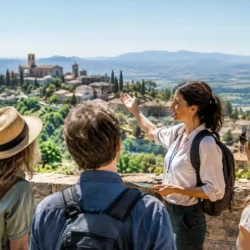
A private guided walking tour works particularly well for first-time visitors, families, and small groups who want a clear route through the city’s many periods. It can also help if you have limited time, since an official local guide can connect the Etruscan foundations, medieval streets, Renaissance art, and local stories in a way that maps and signboards rarely do.
Orvieto is at its best when you leave a little space in the day. After the chapel frescoes, the staircases, and the deep stone tunnels, sit in a piazza with a glass of local wine and watch the town settle into its evening rhythm. That unplanned hour may be the part you remember most.