Planning Perugia Day Trips Beyond the City
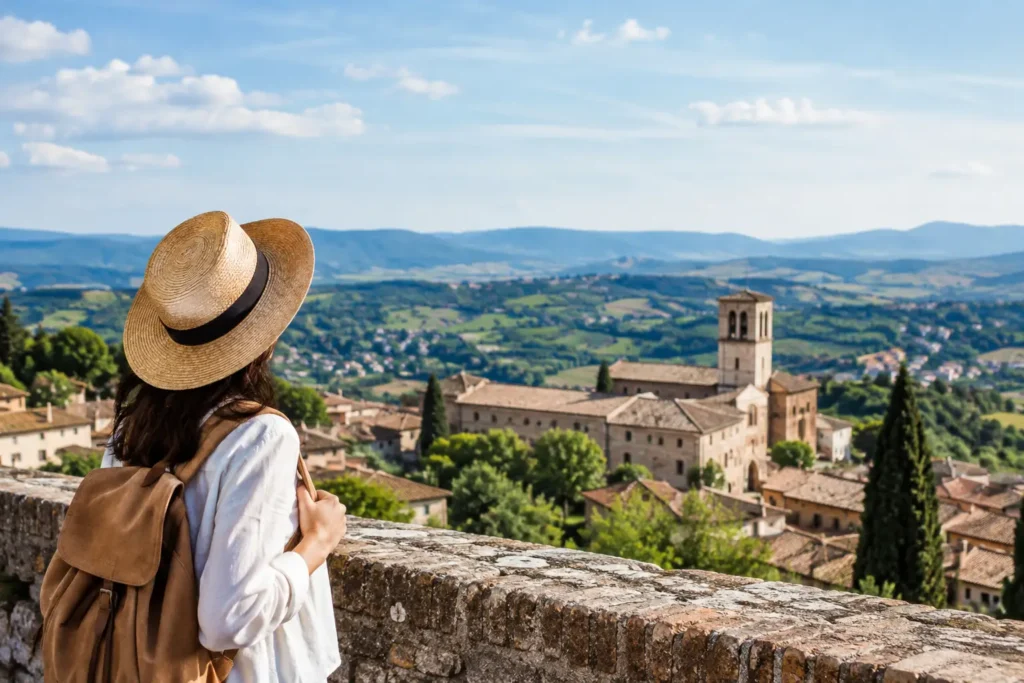
Perugia’s stone lanes, underground passages, and hilltop views can easily fill several days, but the city is also an excellent base for reaching Umbria’s most memorable towns. When planning Perugia day trips, the real question is not how much you can fit in. It is which place best matches the pace and interests of your day: Franciscan art, a cathedral that stops you in your tracks, a quiet village lunch, or a walk through olive-covered hills.
The most rewarding outings are usually built around one destination, rather than a hurried circuit of three. Medieval towns may appear close together on a map, but steep streets, museum visits, long lunches, and the pleasure of lingering in a piazza deserve time. Choose one strong experience, then leave room for the unexpected detail: a fresco above a side chapel, a local specialty on the menu, or a view that makes you stop walking.
Planning Perugia Day Trips by Interest and Travel Time
A rental car gives you the broadest choice, especially for Gubbio, Montefalco, Bevagna, and rural food and wine experiences. It also makes it easier to travel on your own timetable. That said, driving in historic centers is rarely relaxing. Limited-traffic zones, narrow roads, and parking outside the walls are common, so plan to arrive early and walk in.
Trains are a very good option for Assisi and Orvieto, although the station is not always beside the historic center. From Assisi station, you will need a local bus, taxi, or prearranged transfer uphill to the Basilica of St. Francis and the old town. Orvieto’s funicular creates a particularly pleasant arrival from the station below. Perugia’s local transport connections can also work for nearby towns, but schedules may be less convenient on Sundays and holidays.
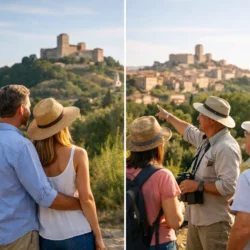
A private guided day is often the best fit when time is limited or when you want context beyond the headline monuments. An official local guide can turn a beautiful town into a legible story, connecting Roman foundations, medieval rivalries, Renaissance patrons, religious traditions, and the people who shaped the streets around you. For families and small groups, it also removes the need to coordinate tickets, parking, routes, and meeting points.
Assisi for art, faith, and a powerful sense of place
Assisi is the natural first choice for many visitors based in Perugia. The city is closely associated with St. Francis and St. Clare, yet its appeal reaches far beyond pilgrimage. Its pale stone buildings rise along Mount Subasio, with broad views across the Umbrian plain, while the Basilica of St. Francis contains one of Italy’s great cycles of medieval painting.
Give Assisi a full day if you want to see it properly. Start with the basilica while your attention is fresh, then continue through the old town toward Piazza del Comune and the Roman Temple of Minerva. The Basilica of St. Clare and the quieter lanes around it offer a different atmosphere, especially later in the day when many visitors have left.
Assisi can become crowded in peak season, and its slopes are real. Comfortable shoes matter, as does a plan that allows for rest. A guided walk is particularly valuable here because the artistic and spiritual significance of the basilica can otherwise feel overwhelming. You will see more by slowing down than by trying to check off every church.
Orvieto for a grand cathedral and Etruscan depth
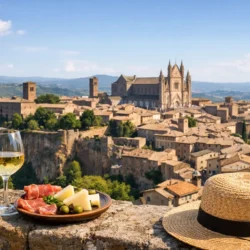
Orvieto is a longer outing from Perugia, but it rewards the journey. Perched on a dramatic volcanic plateau, it has a distinct character from the softer hills and compact stone towns of central Umbria. The Duomo’s elaborate facade is reason enough to go, but the city also opens onto a much older world of Etruscan tombs, underground spaces, and deep wells.
Plan this as a full-day trip, ideally with an early departure. After visiting the cathedral, make time for the Chapel of San Brizio, where Luca Signorelli’s frescoes are remarkably bold and alive. Then walk the Corso Cavour at an unhurried pace, stopping for a light lunch or a glass of Orvieto Classico.
Orvieto works well by train, which can be more restful than driving. It is also a strong choice in cooler months, when the city’s museums, underground sites, and restaurants feel especially inviting. If you are traveling in summer, build in a shaded lunch break and avoid treating the day as a race.
Spello and Montefalco for flowers, wine, and smaller-scale beauty
For a gentler day, Spello is hard to beat. Its flower-filled lanes, honey-colored stone, and Roman remains make it feel intimate without being staged. The town is known for the Baglioni Chapel in Santa Maria Maggiore, where Pinturicchio’s frescoes bring brilliant color and detail to a modest interior.
Spello pairs naturally with an olive oil tasting or an easy walk through the countryside, especially in spring and autumn. It can be visited in a few hours, but that is not a reason to rush away. This is a place for a long lunch, a slow stroll, and perhaps a visit to a local producer rather than a packed museum schedule.
Montefalco offers a different pleasure: wide vineyard views and the wines of the Sagrantino area. Its central piazza is small and inviting, while the museum complex in the former Church of San Francesco holds important frescoes by Benozzo Gozzoli. Wine lovers can combine the town with a cellar visit, but it is worth remembering that tastings require a driver who is not drinking, or organized transportation.
Perugia Day Trips for Medieval Towns and Local Stories
Gubbio is one of Umbria’s most distinctive day trips, with its steep medieval streets and imposing Palazzo dei Consoli. The town has a more rugged, stone-built character than Assisi or Spello, and it feels deeply connected to its traditions. Visit the Roman theater, follow the rising streets toward the main square, and look for the details that reveal daily life behind the grand buildings.
Gubbio is best reached by car or with a guided transfer from Perugia. Public transportation is possible but can take valuable time from the day. If you enjoy local festivals, crafts, and medieval history, the extra planning is worthwhile. A knowledgeable guide adds particular value here, where civic history and longstanding customs give meaning to places that might otherwise look like beautiful stone walls.
Bevagna is smaller and flatter, with a relaxed Roman and medieval layout that invites wandering. It is an excellent choice for travelers who want atmosphere without a demanding itinerary. Pair it with Montefalco for a food-and-wine day, or visit on its own when you want to trade major monuments for village life, regional dishes, and a quieter rhythm.
How to avoid an overplanned itinerary
A sensible Perugia itinerary alternates between fuller cultural days and slower local ones. After a day in Assisi or Orvieto, choose Spello, Bevagna, or a tasting experience rather than another major museum. This rhythm leaves space to enjoy Perugia itself, from the Rocca Paolina to the city’s lively squares and excellent restaurants.
Season matters, too. Spring brings green hills, wildflowers, and comfortable walking weather, but popular sites can be busy around Easter. Summer offers long evenings and outdoor events, alongside heat and greater visitor numbers. Autumn is ideal for harvest flavors, wine experiences, and golden landscapes. Winter is quieter and more reflective, though some rural businesses and smaller attractions may keep reduced hours.
Book key experiences ahead when you have fixed dates, especially private guiding, food tastings, and visits during holidays. Keep one afternoon open if you can. The unexpected pleasure of Umbria is often found after the planned visit ends: a ceramics shop in Gubbio, a cool chapel in Spello, or a table overlooking the vineyards near Montefalco.
For a day that feels personal rather than procedural, choose one place that genuinely interests you and let an expert help reveal its layers. Umbria.tours can arrange guide-led experiences that make the journey from Perugia part of the pleasure, not simply the distance between two points.