Related Posts
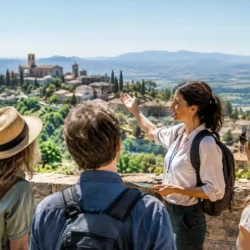
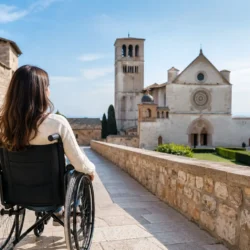
A morning in Assisi can begin beneath the pale stone arches near Piazza del Comune and end with a view across the valley where Saint Francis once walked. The difference between simply seeing it and truly understanding it often comes down to the person guiding you. Booking Umbria tours gives your holiday shape: local stories behind a fresco, the right route through a medieval town, and enough time to enjoy the region rather than rush through it.
Umbria rewards travelers who look beyond a checklist. Its cities are close enough to combine, yet each has a distinct character: Assisi is spiritual and luminous, Perugia is lively and layered, Orvieto rises dramatically above its volcanic cliff, and Montefalco opens onto vineyards and broad country views. Choosing the right experiences before you arrive helps turn those differences into a trip that feels personal.
The best tour is not necessarily the longest one or the one that covers the most famous landmark. It is the one that fits the reason you came to Umbria. A couple with a keen interest in Renaissance art may want time in Perugia’s historic center and its galleries, while a family may prefer the stories, lanes, and wide-open viewpoints of Gubbio or Spello. Travelers following the footsteps of Saint Francis will naturally want to prioritize Assisi, perhaps with the Basilica of Saint Francis and the quieter corners that reveal the town’s religious heritage.
Start by choosing one main theme for each day. In a region with so much to see, this small decision prevents an itinerary from becoming overfilled. Cultural walking tours bring monuments, architecture, art, and local history into focus. Food and wine experiences offer a different but equally revealing route into Umbrian life, from olive groves and mills to the vineyards around Montefalco. Outdoor walks work especially well for visitors who want the landscape to be part of the experience, not only the backdrop between towns.
It is also worth considering what you already know. If you have read about Assisi or Orvieto, a guide can add the details that rarely appear in a guidebook: why a particular street follows an unexpected curve, how a city’s medieval rivalries shaped its buildings, or which small detail in a church tells a larger story. If the destination is entirely new to you, a guided introduction can make the first hours feel much less uncertain.
When booking Umbria tours, the choice between a private tour and a small-group departure affects the pace as much as the price. A private experience is particularly valuable for families, friends traveling together, or couples with a precise interest. You can often spend longer at the places that hold your attention, ask more questions, and plan the visit around your arrival time or dinner reservation. It is also a practical option when you are staying outside a town and need a schedule that works with your transportation.
Small-group tours suit travelers who enjoy sharing the day with a few like-minded visitors while keeping the experience personal. They can be an excellent choice for solo travelers and couples, especially when a fixed departure fits the itinerary. The right group size matters. In a compact historic center, a smaller group can pause at a fountain, step into a chapel, or gather around a guide without losing the conversation to the noise of the street.
There is no single correct choice. Private guiding offers flexibility and close attention, while small-group tours may bring a more social atmosphere and per-person pricing. The essential point is that both should be led by a professional local guide who can connect the major sights with the character of the place.
Umbria’s heritage is often hidden in plain sight. A Roman arch may be built into a later palace. A simple-looking facade may conceal a remarkable chapel. In towns where centuries of Etruscan, Roman, medieval, and Renaissance history sit within a short walk, context changes everything.
An official guide brings trained knowledge of local art, history, and monuments, but the best guiding is never a lecture. It is a conversation that responds to the group. A knowledgeable guide knows when to explain the great cycle of frescoes, when to point out a detail you might otherwise miss, and when to leave space for the atmosphere of a piazza or a valley view. This balance is especially helpful for travelers with limited time in each destination.
Umbria looks compact on a map, but winding roads, hilltop locations, parking, and train schedules can make travel days longer than expected. A well-planned itinerary leaves room for the region’s slower rhythm. Rather than trying to visit three major towns in a day, choose one principal destination and pair it with a nearby village, tasting, or relaxed lunch.
Assisi and Perugia deserve unhurried visits. Assisi is ideal for travelers drawn to Franciscan heritage, sacred art, and panoramic walks. Perugia offers a different energy, with Etruscan traces, medieval streets, underground passages, and a strong food culture. Orvieto is a memorable choice for a day trip or overnight stay, combining one of Italy’s great cathedrals with underground history and views over the countryside.
For a quieter day, consider places such as Bevagna, Spello, Gubbio, or Spoleto. Bevagna has the intimacy of a small medieval town and sits conveniently near wine country. Spello is known for flower-filled streets, Roman remains, and refined local character. Gubbio has a dramatic mountain setting and a powerful medieval identity. Spoleto brings together a fortress, Roman and medieval monuments, and the remarkable Ponte delle Torri.
Montefalco is especially appealing when food and wine are central to your plans. Its vineyard landscape and celebrated Sagrantino wines make it a natural place to combine a town visit with a tasting. If you are traveling in harvest season, book ahead. This is a rewarding time to visit, but popular wineries and food experiences can fill quickly.
Umbrian food is not an extra activity between monuments. It is part of the story of the region. Olive oil, wine, truffles, cured meats, legumes, and handmade pasta are shaped by local terrain, farming traditions, and the seasons. An olive-mill visit, for example, offers more than a tasting. It explains why fresh oil can taste peppery, grassy, or intensely fragrant, and why the harvest date matters.
A guided tasting works best when it is connected to where you are staying or touring. Near Montefalco, wine experiences make natural sense. In the countryside around Trevi and Spello, olive oil can be the focus. In Perugia or Orvieto, a food-oriented walk can add local flavors to a cultural day. Let the location lead the choice rather than trying to fit every regional specialty into one afternoon.
If you have dietary requirements, share them when you book. The same applies to mobility needs, young children, and anyone who prefers a gentler walking pace. Historic centers often have cobblestones, slopes, and steps, so clear information before the day begins makes the experience more enjoyable for everyone.
A good booking process should make the practical details easy to understand. Check the meeting point, duration, language, what is included, and whether transportation is part of the experience. For private tours, confirm whether the stated price applies to the group and what group size it covers. For small-group tours, look for the per-person price and the departure time.
Think carefully about your accommodations as well. If you are based in a countryside agriturismo, you may need to allow extra time to reach a town center. If you are staying in central Perugia, Assisi, Spoleto, or Orvieto, walking tours can often fit naturally into your day. Early morning tours can be cooler and quieter in warmer months, while late-afternoon walks bring a softer light and often leave time for an aperitivo afterward.
Umbria.tours makes this planning more direct by allowing visitors to choose destinations and experience types, then book guided cultural, culinary, and outdoor activities with clear starting prices. The goal is simple: less time deciphering options, more time standing in front of the real thing.
For spring, early fall, weekends, and major holiday periods, booking ahead is wise, particularly for private guides and specialized food experiences. The same is true if your travel dates are fixed or your group includes several people. Reserving key experiences before arrival gives the rest of the trip a dependable framework.
At the same time, do not plan every hour. Umbria is full of the moments that cannot be scheduled: a shopkeeper explaining a local cheese, bells marking the afternoon in a hill town, or the decision to linger over lunch because the view is too good to leave. Book the experiences that matter most, and let the spaces between them become part of your Italian stay.