How to Visit Marmore Falls: A Practical Guide
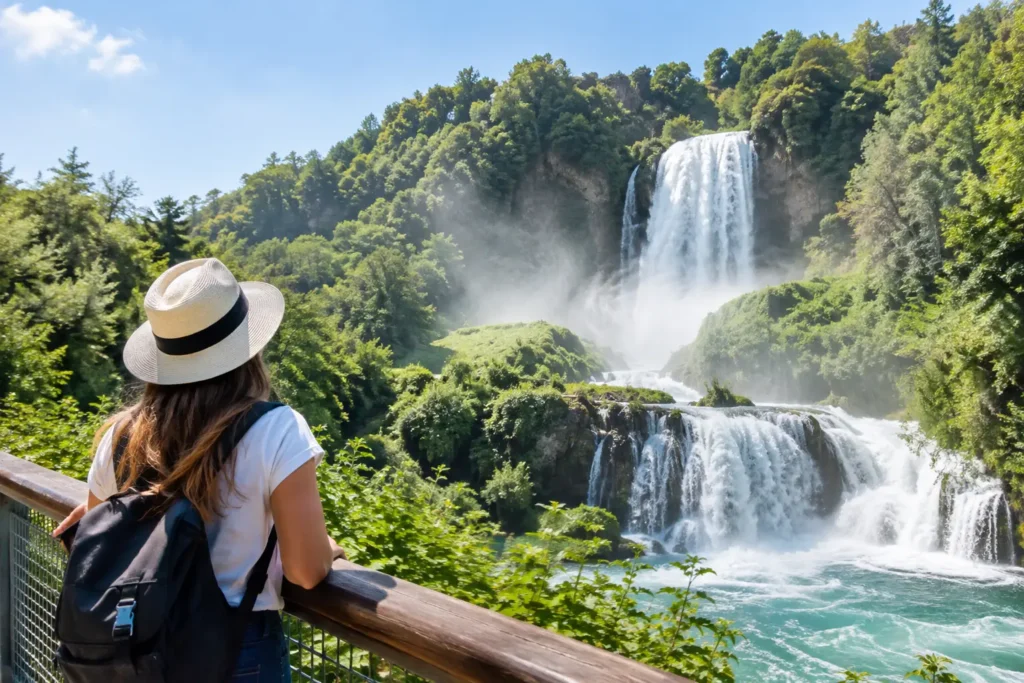
Marmore Falls are not a quiet trickle in the woods. They arrive with spray on the air, a deep rush of water, and a dramatic 541-foot drop through a steep, green gorge near Terni. Knowing how to visit Marmore Falls well makes the difference between a rushed stop and one of the most memorable outdoor experiences in southern Umbria.
The waterfall is especially distinctive because its flow is regulated. Water is released from the Velino River into the Nera River at set times, creating the powerful cascade visitors come to see. That simple detail should shape your day: plan around the release schedule, allow time to walk between viewpoints, and bring shoes that can handle damp paths.
Choose the right time to see the falls
The best moment to arrive is shortly before a scheduled water release. When the flow begins, the character of the landscape changes quickly: narrow channels fill, the roar builds, and the white water plunges down the three sections of the falls. The spectacle is impressive from either entrance, but seeing the transformation itself gives the visit more meaning.
Release times vary by season, day of the week, and special opening periods. Check the current timetable before setting out, particularly if Marmore Falls are the centerpiece of a day trip. Summer generally brings longer opening hours and more frequent access, but it also brings larger crowds. Spring is often the most rewarding balance of fresh green scenery, strong water, and more comfortable walking temperatures. Autumn can be wonderfully atmospheric, while winter visits depend more heavily on weather and the operating calendar.
Morning is usually best for visitors who want cooler trails and a less hurried experience. Later in the day can be attractive in high summer, when the shade and spray offer relief from the heat. If photography matters to you, be patient with the light: bright midday sun can create strong contrast in the gorge, while softer morning or late-afternoon conditions are often kinder to both landscapes and portraits.
How to visit Marmore Falls from the upper or lower entrance
Marmore Falls have two main access points: the Lower Belvedere and the Upper Belvedere. Neither is automatically better. Your choice depends on how much you want to walk, where you are coming from, and which views matter most to you.
The Lower Belvedere is a natural choice for first-time visitors. It offers an immediate, dramatic view toward the lower cascades and puts you close to facilities, ticketing, and the beginning of several paths. It is convenient if you are arriving by car from Terni or want a shorter visit focused on the waterfall’s scale and force.
The Upper Belvedere sits higher in the landscape, near the point where water enters the cascade. From here, you can appreciate the engineering behind the falls and look across the Valnerina. It is particularly appealing for travelers who enjoy walking downhill through the gorge or who want to combine the falls with Lake Piediluco and the surrounding mountain roads.
A full visit can include both entrances, connected by marked trails. The routes vary in length and difficulty, with steps, slopes, uneven surfaces, and wet sections. The path beside the water is beautiful but can be slippery, while higher trails offer broader views and a more wooded feel. If mobility is limited, do not assume every viewpoint is accessible. Ask at the entrance which areas are most suitable that day and choose a shorter route rather than trying to complete the whole trail network.
Tickets, trails, and what to bring
Buy tickets in advance when visiting on weekends, holidays, or during summer. Timed entry and capacity rules can change, and arriving with a confirmed plan leaves more time for the experience itself. Allow at least two hours for a straightforward visit. Three to four hours is better if you intend to walk between viewpoints, pause for photographs, or join an activity.
Marmore is an outdoor attraction, not a town square where smooth paving and dress shoes will do. Wear comfortable walking shoes with good grip. Even on a warm day, a light waterproof layer is useful near the spray, and a small bottle of water is sensible for longer trails. Families should keep a close eye on children, especially near railings, stairs, and wet ground.
Four simple items make a noticeable difference:
- Walking shoes with non-slip soles
- A light rain jacket or compact poncho
- Water and sun protection in warmer months
- A phone or camera protected from spray
Do not be disappointed if a specific path is closed. Conditions in a gorge can change after heavy rain or maintenance work, and closures are part of keeping the site safe. There is still plenty to see from the principal viewpoints.
Getting to Marmore Falls
The falls lie a short distance east of Terni, in southern Umbria, and are easiest to reach by car. Driving gives you the most flexibility, especially if you want to combine the visit with Lake Piediluco, the Valnerina, or a stop in Spoleto. Parking is available near the entrances, though spaces can fill during peak periods, so arriving early is worthwhile.
Travelers using public transportation can reach Terni by train from Rome, Florence, or other central Italian cities, then continue by local transport or taxi. Seasonal services may operate differently from one period to another, so treat the final connection as something to confirm before travel rather than leaving it to chance. A private driver can be a comfortable option for couples or small groups who want to avoid coordinating return times.
From Rome, Marmore can work as a long day trip, but it is more enjoyable when included in a slower Umbrian itinerary. Staying in or near Terni gives you a practical base, while Spoleto offers a more historic atmosphere and a strong choice of restaurants and cultural sights. Visitors traveling through Umbria from Perugia, Assisi, or Orvieto should consider the drive time carefully. The falls are rewarding, but they deserve more than a rushed hour between distant destinations.
Make Marmore part of a richer Umbrian day
The waterfall’s setting is one reason it feels different from Umbria’s hill towns. Here, the landscape is steeper, greener, and shaped by water. Lake Piediluco, just beyond the upper falls area, is a peaceful contrast to the noise of the cascade. Its calm water and surrounding hills are ideal for a relaxed lunch or a gentle walk after the trails.
Spoleto is another excellent pairing. Its Roman theater, medieval streets, fortress, and extraordinary cathedral create a cultural counterpoint to Marmore’s natural drama. A well-planned day can begin among the falls and end with an evening stroll through Spoleto’s historic center. If you prefer a deeper local perspective, an official guide can bring together the stories of Roman engineering, the Papal States, the Valnerina landscape, and the art of nearby towns in a way that independent sightseeing rarely does.
For travelers interested in active experiences, the Nera Valley also offers rafting, cycling, and outdoor routes. These activities are seasonal and weather-dependent, so they suit visitors who are happy to let conditions shape the itinerary. Those seeking a quieter pace may prefer the falls, Lake Piediluco, and a leisurely meal featuring Umbrian olive oil, cured meats, legumes, and local wines.
A few practical choices that improve the visit
Do not plan your arrival for the exact minute of the release. Give yourself time to park, collect tickets, orient yourself, and reach a viewpoint. If you are visiting with young children or anyone who dislikes steep walking, select one entrance and enjoy it fully rather than treating both as a checklist.
Weather also changes the experience. A warm, dry day makes the trails easy and pleasant, but the falls can be particularly dramatic after rain, provided paths remain open. On cooler days, layers are more useful than a heavy coat because walking uphill quickly warms you up. In every season, respect barriers and marked paths. The power of Marmore Falls is precisely what makes the site special, and it is best enjoyed from safe viewpoints.
Marmore is a fine reminder that Umbria is not only about stone villages and Renaissance frescoes. Set aside the time to hear the water, follow a trail into the gorge, and let the landscape set the pace for the rest of your day.