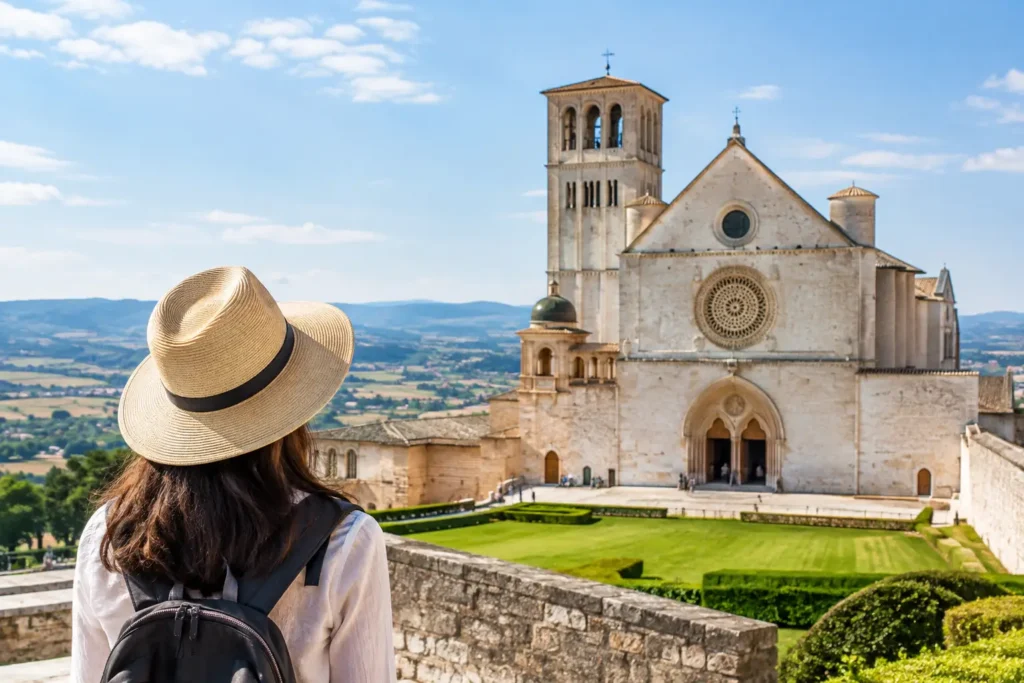
Do Assisi Tours Include the Basilica? What to Check
Visitors often ask, “do Assisi tours include basilica visits?” The short answer is usually yes for a guided tour focused on Assisi’s historic center, but the exact answer depends on the itinerary, tour length, and the basilica being discussed. In a town shaped so profoundly by St. Francis, a visit to the Basilica of St. Francis is often the heart of the experience, not simply one stop among many.
That said, Assisi has several important churches, changing access conditions, and a compact but steep medieval layout. Reading the itinerary carefully before booking helps ensure your time in this remarkable Umbrian town is spent where it matters most to you.
Do Assisi Tours Include the Basilica of St. Francis?
Most Assisi walking tours include the Basilica of St. Francis when they are presented as historic, artistic, or Franciscan itineraries. An official local guide can bring real depth to a visit that might otherwise feel overwhelming: the two-level basilica contains major fresco cycles, the tomb of St. Francis, and centuries of religious, artistic, and civic history.
A typical guided walk may begin in Piazza del Comune, where the Roman Temple of Minerva still anchors the town’s central square. From there, the route follows the stone lanes toward the basilica, connecting Assisi’s Roman origins, medieval prosperity, and Franciscan identity. Inside St. Francis Basilica, the guide may explain the difference between the Lower Basilica’s intimate, devotional atmosphere and the light-filled Upper Basilica, renowned for its frescoes.
However, “included” can mean different things. A tour may include admission to the basilica, a guided explanation inside, or time for an independent visit after the guide’s commentary. Always look for wording such as “inside visit,” “guided visit of the basilica,” or a named reference to the Basilica of St. Francis in the tour description.
Why the Basilica Visit Is Worth Planning Around
The Basilica of St. Francis is not a monument to rush through between lunch and a train connection. It is a working religious site and one of Italy’s most meaningful artistic landmarks. The Lower Basilica holds the saint’s tomb and invites a quieter pace, while the Upper Basilica tells a visual story through extraordinary medieval painting.
A knowledgeable guide helps visitors see more than the famous names. You may learn why the architecture is arranged in two distinct churches, how Franciscan ideals influenced the decoration, or what makes a particular scene, color, or gesture significant. These details make the basilica feel connected to the town outside its doors: the slopes of Mount Subasio, the medieval streets, and the modest houses associated with Francis’s early life.
For travelers with limited time, an itinerary that includes the basilica is often the strongest choice. It provides the essential context for Assisi and leaves room for the town’s other treasures rather than turning the day into a checklist.
Which Basilica Do You Mean?
Assisi is home to more than one place that visitors may call “the basilica.” Before booking, make sure the description names the church you want to see.
The Basilica of St. Francis sits at the western edge of the historic center and is the principal landmark for most first-time visitors. The Basilica of Santa Chiara, near Piazza Santa Chiara, is closely tied to St. Clare and holds the San Damiano Crucifix associated with Francis’s spiritual calling. Both are central to understanding the Franciscan story, yet a shorter tour may focus on one rather than both.
Then there is the Basilica of Santa Maria degli Angeli, located below Assisi in the plain. It shelters the tiny Porziuncola chapel, one of the most important Franciscan sites. Because it lies outside the walled center, it is not automatically included in a walking tour of Assisi. It generally requires a separate transfer, additional time, or a tour specifically designed to include it.
This distinction matters. A two-hour historic center walk can offer an excellent visit to St. Francis Basilica, Piazza del Comune, and surrounding lanes. A fuller Franciscan itinerary, including Santa Chiara and Santa Maria degli Angeli, needs more time and usually transportation between the hill town and the valley.
What Can Affect Basilica Access?
Even when a tour includes the Basilica of St. Francis, access is subject to the life of the church. Religious services, special celebrations, security procedures, restoration work, and crowd-management rules can affect the route or the time available inside.
Sunday mornings and major religious holidays may require extra flexibility. Visitors who want a quieter, more detailed art-focused visit often prefer a weekday or a time outside the busiest midday period. Early booking is especially helpful in spring, summer, and around Easter, when Assisi welcomes many pilgrims and cultural travelers.
Entry to a church may be free, but that does not necessarily mean every element of a guided visit is identical. Group procedures, required audio devices, reservations, museum spaces, or transportation can create additional arrangements or costs. A clear tour listing should explain what is included and whether there is anything to pay locally.
Dress also matters. As a place of worship, the basilica asks visitors to dress respectfully. Shoulders and knees should be covered, and large bags may be subject to restrictions. Photography rules can vary by area, so it is best to follow the guide’s direction and posted signs.
How to Choose an Assisi Tour That Includes the Right Visit
Start with your reason for coming to Assisi. If you are drawn to Giotto, Cimabue, and the history of Italian art, choose a tour that specifically includes a guided interior visit to the Basilica of St. Francis. If St. Francis and St. Clare’s spiritual legacy is your priority, look for an itinerary that includes both St. Francis Basilica and Santa Chiara, with enough time for reflection rather than only exterior commentary.
Private tours offer the greatest flexibility. They can often be shaped around your pace, interests, mobility needs, and available time. A family with older children may appreciate a focused route that brings medieval stories to life, while art lovers may wish to spend longer inside the basilica. For a small group, a shared walking tour can be an excellent way to experience the essential landmarks with an official guide and a well-planned route.
Pay close attention to duration. A very short introduction to Assisi may mention the basilica without allowing enough time to appreciate the interior. Tours of around two to three hours are often better suited to a meaningful historic center visit. If you would also like to visit the Porziuncola, enjoy lunch in town, or combine Assisi with the countryside, plan a half day or a full day.
An official local guide adds particular value here. Assisi is full of small details that are easy to miss: Roman stones incorporated into later buildings, medieval symbols above doorways, the views that open suddenly beyond a narrow lane, and the relationship between the town’s wealthy past and Francis’s radical message of simplicity. With Umbria.tours, guests can choose a guide-led Assisi experience designed around the town’s art, history, and living religious heritage.
Questions to Ask Before You Book
Before confirming any tour, ask whether the Basilica of St. Francis is visited inside or viewed from outside. It is also worth confirming whether Santa Chiara is included, whether the tour reaches Santa Maria degli Angeli, and whether transportation is needed for any sites outside the historic center.
Ask what happens if church access changes on the day. A good guide will have the local knowledge to adapt the walk thoughtfully, perhaps deepening the visit to another Franciscan site or using the town itself to tell the story from a different angle. Flexibility is useful, but a strong itinerary should still make clear what is normally expected.
If you have particular interests, say so when booking. Mention frescoes, Franciscan spirituality, accessibility, children, photography, or a desired pace. Assisi rewards a personal approach. Its greatest moments often arrive not in the most crowded room, but while a guide pauses beside an overlooked chapel, a quiet cloister, or a viewpoint over the Umbrian plain.
Make Time for the Place, Not Just the Landmark
The Basilica of St. Francis deserves its place at the center of an Assisi visit, but the journey to and from it is part of the experience. Leave room to walk the lanes, pause in Piazza del Comune, and look out across the olive-covered hills below the town walls. When your tour includes the basilica and allows time to absorb its setting, Assisi becomes far more than a stop on an Italian itinerary.