Umbrian Truffle Season Guide for Food Lovers
A plate of fresh strangozzi, dressed simply with butter, Parmigiano, and shaved truffle, can explain Umbria better than a long menu ever could. This Umbrian truffle season guide helps you plan around the region’s most aromatic ingredient, from the prized white truffle of autumn to summer varieties enjoyed beneath the hills.
Truffles are not merely a luxury here. They belong to the landscape: oak woods, hazelnut groves, limestone soils, small villages, and family kitchens where a few fragrant shavings can transform eggs, pasta, or a slice of warm bread. For travelers, the best time to come depends on which truffle you hope to taste and whether your itinerary leans toward lively festivals, quiet countryside walks, or slow meals in medieval towns.
Umbrian Truffle Season Guide: When Each Variety Appears
Umbria has truffles in more than one season, which makes it an excellent food destination beyond the crowded autumn months. Harvest periods are regulated and can vary slightly by year and local rules, so think of the dates below as a useful planning framework rather than a guarantee of what will be on every menu.
White truffle: October through December
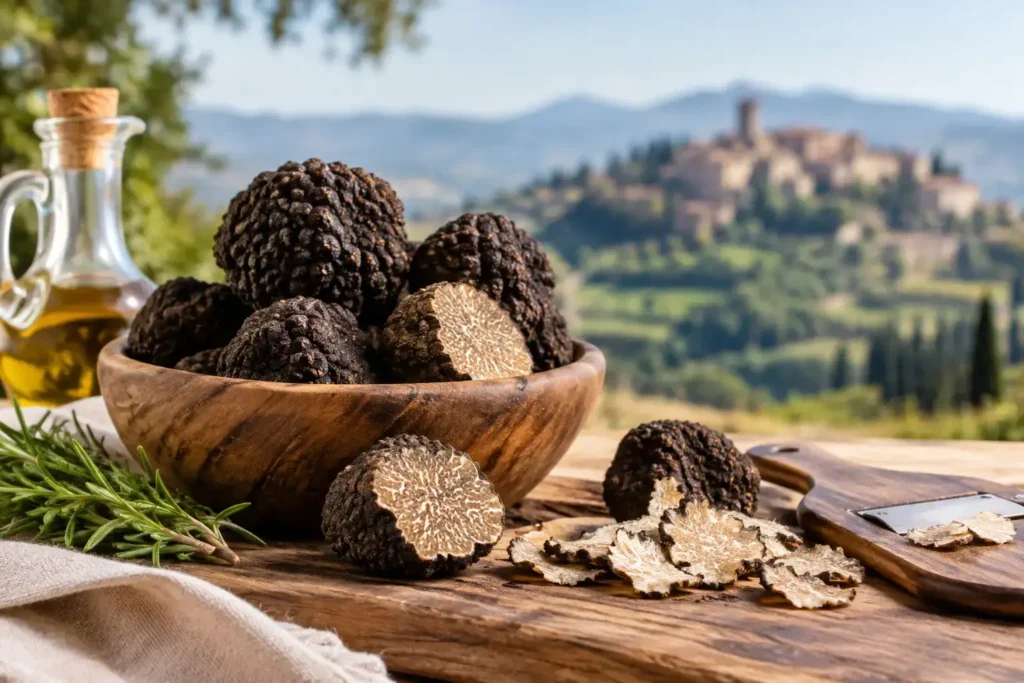
The white truffle, or tartufo bianco pregiato, is the season’s most sought-after arrival. Its aroma is intense and unmistakable, often described as earthy, garlicky, honeyed, and wild all at once. It is generally served raw, shaved over warm dishes so that the heat releases its perfume without cooking it away.
Late October and November are particularly appealing for travelers who want the full autumn atmosphere: woodland colors, new olive oil, local wines, and restaurant menus built around the harvest. Expect white truffle on fresh egg pasta, risotto, softly cooked eggs, beef tartare, and potato dishes. This is also the most expensive variety, and prices fluctuate sharply according to the harvest. A good restaurant will state the price clearly, often by weight, before shaving it at the table.
Black winter truffle: December through March
The black winter truffle, known locally as tartufo nero pregiato, offers a deeper, more rounded flavor and is one of Umbria’s great cold-weather pleasures. It is often associated with the Valnerina and the area around Norcia, though truffle traditions reach across much of the region.
Unlike white truffle, black winter truffle can be gently warmed in cooking. You may find it folded into handmade pasta, added to a rich meat sauce, paired with lentils, or used in a sauce for roasted game. January and February can be especially rewarding for visitors who prefer a quieter Umbrian escape, with fewer crowds in towns such as Spoleto, Perugia, Orvieto, and Gubbio.
Bianchetto truffle: January through April
The bianchetto, or spring white truffle, arrives as winter begins to soften. It is smaller and usually less costly than the prized autumn white truffle, with a bolder, more pungent character. Some people love its assertive flavor; others find it less refined. That difference is precisely why it is worth tasting with a knowledgeable local host or at a restaurant that uses it carefully.
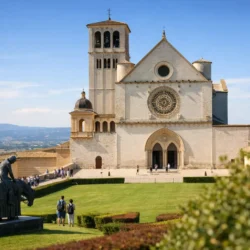
Spring is a lovely moment to combine truffle meals with cultural touring. The countryside is turning green again, days are longer, and historic centers are easier to enjoy before summer. A morning exploring Assisi’s basilica or the frescoes and lanes of Spello can end with a seasonal lunch built around local pasta and bianchetto.
Summer black truffle: May through August
Summer black truffle is milder and more accessible, making it a natural introduction for first-time tasters. Its scent is delicate rather than overpowering, and it works well with summer dishes: bruschetta, fresh cheese, pasta, grilled vegetables, and eggs.
This is the variety you are most likely to encounter on menus during a warm-weather holiday, especially in restaurants that celebrate local products without turning every meal into a formal tasting. Summer truffle does not carry the drama of a November white truffle, but it belongs beautifully to the season. Pair it with a crisp Umbrian white wine, an evening in a hill town, and a table outdoors as the heat begins to fade.
Where to Taste Truffles in Umbria
The Valnerina, the dramatic river valley running through southeastern Umbria, is central to the region’s truffle identity. Norcia is its best-known culinary name, celebrated for truffles, cured meats, lentils, and mountain cooking. Nearby villages and wooded areas offer the sense of place that makes a truffle meal more memorable: steep slopes, stone houses, and a landscape shaped by the Apennines.
Other parts of Umbria also have strong truffle traditions. Gubbio, Scheggino, Pietralunga, Città di Castello, and the hills around Perugia all appear in the region’s truffle map. You do not need to chase one specific village to eat well. Instead, choose a base that suits the rest of your trip, then seek out a trusted seasonal restaurant, food event, or guide-led experience.
For a first visit, it often makes sense to pair food with heritage. Perugia offers Etruscan and medieval layers alongside a lively dining scene. Spoleto brings Roman ruins, a cathedral, and a handsome historic center. Orvieto’s dramatic cathedral and underground history can be followed by a long lunch featuring Umbrian wines and truffle dishes. In smaller towns, the pleasure lies in moving slowly: a market stop, a glass of Sagrantino near Montefalco, and a meal where the truffle is treated with restraint.
How to Order Truffle Well
The finest truffle dishes are usually the simplest. Fresh pasta, eggs, risotto, and lightly dressed meat allow the aroma to remain the focus. Be cautious of dishes dominated by truffle oil. Many commercial truffle oils rely on added flavoring rather than fresh truffle, and their powerful scent can give a misleading impression of the real ingredient.
Ask which truffle is being used and whether it is fresh, preserved, or part of a prepared sauce. There is nothing wrong with preserved truffle in the right dish, especially outside the fresh season, but the restaurant should be clear. If you order fresh white truffle, confirm the price per gram and the suggested quantity. A small amount can be enough when it is shaved generously over a warm plate.
Truffle also deserves a thoughtful wine pairing. Black truffle’s earthiness can be excellent with Sagrantino di Montefalco or a mature red from around Torgiano. White truffle often calls for elegance rather than sheer power, so a structured Trebbiano Spoletino, Grechetto, or refined red can work well. The ideal choice depends on the dish beneath the truffle, not just the truffle itself.
Planning a Truffle-Focused Trip
Book well ahead for autumn weekends, particularly if you want a specific restaurant or a small-group food experience. October and November are popular not only for truffles but also for olive harvest activities, wine tastings, and fall festivals. A weekday visit can feel more relaxed and may make it easier to secure a table.
A truffle hunt can be a fascinating addition to a holiday, but it is not a staged guarantee of a basketful of truffles. The experience depends on weather, soil conditions, the dog, and the permitted hunting area. Choose an ethical, legal experience that respects the woods and explains the work behind the ingredient. The best hosts make the morning interesting even when nature is unpredictable.
Allow time for the towns around the meal. A rushed lunch between long drives misses much of Umbria’s character. Umbria.tours can help travelers combine a guided walk through places such as Assisi, Perugia, Spoleto, or Orvieto with food and wine experiences that give regional flavors the context they deserve.
When you sit down to a truffle dish in Umbria, linger over it. Let the first aroma rise from the plate, ask where it was found, and leave room in the day for the village outside the restaurant door.