Umbria Wineries Worth Planning a Day Around
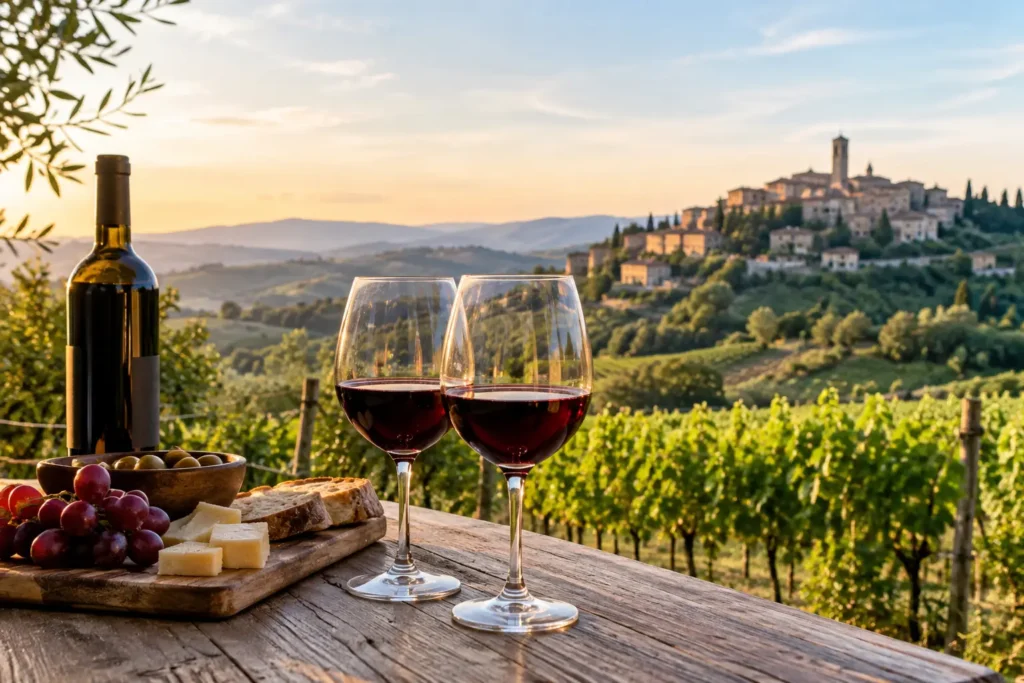
A glass of Montefalco Sagrantino after a walk through a medieval hill town is one of those Umbrian moments that stays with you. The best Umbria wineries are not simply places to taste wine: they are working estates set among olive groves, vineyards, stone farmhouses, and villages where the landscape and local history are inseparable.
For visitors who prefer meaningful food and wine experiences to a rushed tasting-room stop, Umbria rewards a little planning. The region is compact, but its wine areas have distinct personalities. A day in Montefalco feels very different from an afternoon beneath Orvieto’s volcanic cliffs, while the shores of Lake Trasimeno offer a quieter, more rural rhythm. Choosing the right winery visit depends on your route, your taste, and how much time you want to give to the experience.
Where to Find the Best Umbria Wineries
Umbria sits between Tuscany, Lazio, and the Marche, yet its wines have a character entirely their own. Here, indigenous grape varieties, hilltop vineyards, and family-run traditions often take center stage. Many estates welcome visitors by appointment, particularly smaller producers, so arranging a visit in advance is the simplest way to enjoy an unhurried tasting and a proper introduction to the wines.
Montefalco: the home of Sagrantino
The Montefalco area is the natural choice for serious red-wine drinkers. Its signature grape, Sagrantino, makes deeply colored, structured wines with firm tannins, dark fruit, spice, and often notes of leather or tobacco as it develops. It is a wine with presence, and it is usually best appreciated alongside food rather than on an empty stomach.
A tasting in this area often includes Montefalco Rosso as well as Sagrantino. Montefalco Rosso is generally the more approachable companion for a relaxed lunch, blending Sangiovese with local grapes and sometimes a portion of Sagrantino. If full-bodied reds are not your preference, ask whether the winery produces Montefalco Bianco or Sagrantino Passito, the region’s traditional sweet wine. The latter can be a lovely finish with aged cheese or local desserts.
Montefalco itself deserves time before or after the tasting. Known as the “balcony of Umbria,” it looks across a broad patchwork of vineyards and hills. Pair a winery visit with a stroll through the historic center, or include nearby Bevagna, Spello, or Spoleto in a wider day out. It is an easy area to overfill, however, so two thoughtful winery visits are often more enjoyable than trying to fit in four.
Orvieto: white wine, volcanic soils, and dramatic views
Orvieto is one of Umbria’s most striking destinations, rising above the surrounding countryside on its great rock plateau. Its cathedral alone can fill a morning, which makes a nearby winery visit an excellent way to slow the day down afterward.
Orvieto Classico is the area’s best-known wine, traditionally made from a blend that includes Grechetto and Trebbiano. Styles vary from crisp and dry to softer and more rounded, depending on the producer and the winemaking approach. This is a good area for travelers who enjoy fresh white wines with lunch, especially alongside antipasti, pecorino, seafood dishes, or Umbrian vegetable recipes.
The terrain here is part of the story. Vineyards may grow in soils influenced by the region’s ancient volcanic landscape, and winery hosts often explain how elevation, exposure, and soil shape the final glass. For visitors interested in both art and gastronomy, Orvieto offers one of Umbria’s most rewarding combinations.
Lake Trasimeno and the quieter western hills
Around Lake Trasimeno, wine tasting can feel especially relaxed. The scenery opens out, with water, gentle slopes, and small towns such as Castiglione del Lago and Passignano sul Trasimeno nearby. This is an appealing choice for travelers staying in Perugia or those looking to combine a tasting with a lakeside lunch.
Look for wines made with Gamay del Trasimeno, which is not the French Beaujolais grape despite its name. It can produce fresh, fragrant reds and rosés that suit warm afternoons and lighter meals. This area is less about grand, powerful wine and more about discovering a softer side of Umbrian rural life.
How to Choose an Umbrian Winery Experience
Not every tasting follows the same format. Some wineries offer a concise introduction to a few labels; others include a vineyard walk, a visit to the cellar, local cheese and cured meats, or a longer seasonal lunch. There is no single best option. The right choice depends on whether wine is the focus of your day or one part of a broader itinerary.
For a first visit, allow at least 90 minutes. That gives you time to hear the producer’s story, understand the grapes in the glass, and taste without feeling hurried. A vineyard walk is particularly worthwhile in spring and fall, when the landscape is at its most expressive. During harvest, usually from late summer into early fall, estates can be busy, and availability may be more limited.
A few practical questions will help you choose well: Is the tasting hosted in English? Does it include food? Is transport required? Are children welcome? Can the winery accommodate dietary requirements? These details matter, especially if you are traveling with family, driving on unfamiliar country roads, or trying to connect a tasting with a guided visit to Assisi, Perugia, Orvieto, or Montefalco.
Private transport or a guided experience is often the most relaxed choice if everyone in your group wants to taste. It removes the need to designate a driver and gives you the benefit of local context along the way. On the other hand, independent travelers with a rental car may prefer the freedom to stop in small villages, photograph the views, and build a day around a long countryside lunch.
What to Taste Beyond the Famous Names
Sagrantino and Orvieto are essential starting points, but they are not the whole Umbrian wine story. Grechetto, a local white variety, is well worth seeking out in its own right. Depending on the producer, it can be bright and mineral, textured and savory, or fuller-bodied with time in oak. It works beautifully with olive oil, beans, grilled vegetables, and freshwater fish.
Trebbiano Spoletino is another grape to watch for, especially around Spoleto and the central-southern hills. It can make aromatic, lively whites, but some producers also create more complex versions with texture and aging potential. Ask the host what they recommend with the season’s local dishes. The answer often reveals more about the winery than a tasting sheet does.
Do not overlook olive oil during a winery visit, either. Many Umbrian estates cultivate both vines and olive trees, and a tasting may offer the opportunity to compare new-season extra virgin olive oil with local bread, soup, or bruschetta. Wine and oil are two expressions of the same terrain, shaped by the same slopes, weather, and generations of farming knowledge.
Building a Wine Day Around Umbrian Culture
The most memorable wine days in Umbria have a sense of place. Start with a guided walk through Montefalco’s narrow streets before heading into the vineyards. Visit Orvieto’s cathedral in the morning, then settle into a winery lunch outside the city. Spend time among Perugia’s Etruscan and medieval landmarks, then travel into the surrounding hills for a late-afternoon tasting.
This approach also helps avoid a common mistake: treating a winery visit as an isolated activity. In Umbria, the wines become more meaningful when you have seen the landscapes, churches, market squares, and family kitchens that surround them. A knowledgeable local guide can bring those connections to life, from the history of a village to the ingredients on the tasting table.
Umbria.tours can help travelers combine guided cultural visits with food and wine experiences in a way that makes the most of limited vacation time. The goal is not to collect the most tastings, but to leave with a clearer sense of why a Sagrantino could only come from these hills, and why an Umbrian meal tastes better when the story behind it is part of the day.
When planning your visit, leave space for the unscripted moments: a view from a vineyard terrace, a conversation with a producer, or one more walk through a village as evening settles over the olive groves.