Assisi versus Perugia: Which Should You Visit?
At 6 p.m., Assisi often settles into a hush beneath the pale stone of Mount Subasio, while Perugia is just beginning its evening passeggiata along Corso Vannucci. That contrast is the heart of Assisi versus Perugia. Both are exceptional Umbrian destinations, rich in art, history, and memorable food, but they offer very different ways to experience the region.
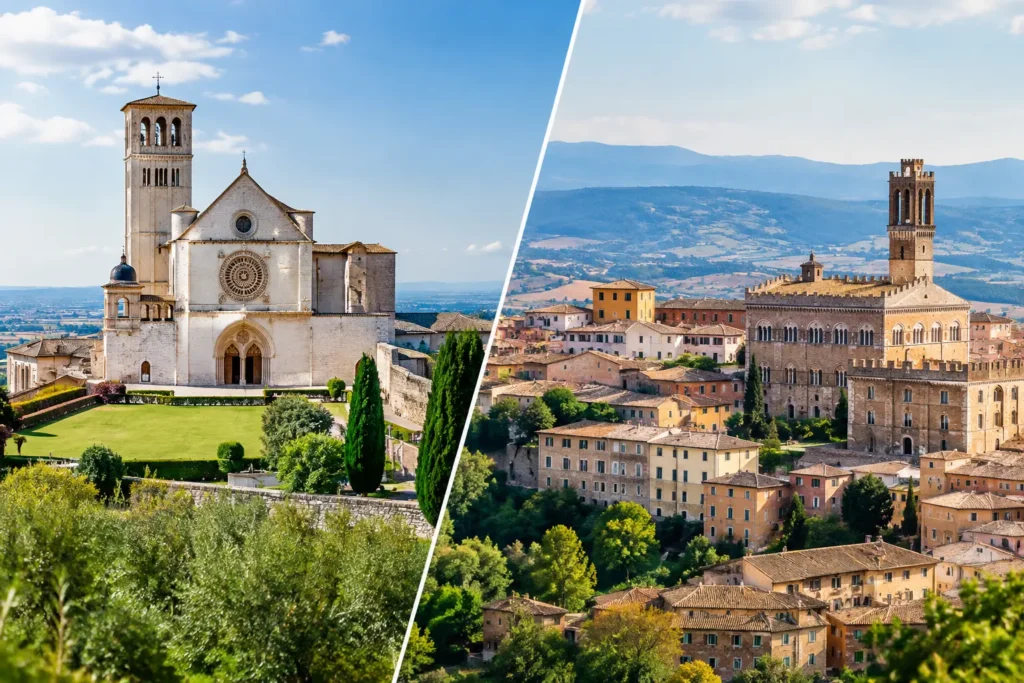
For many travelers, the best choice depends less on which city is “better” and more on how they want their Italian days to feel. Assisi is intimate, spiritual, and deeply rooted in the story of St. Francis. Perugia is larger, more urban, and full of layers: Etruscan walls, Renaissance art, university energy, and a lively dining scene. If your itinerary allows, visit both. If time is short, this guide will help you choose well.
Assisi versus Perugia: the essential difference
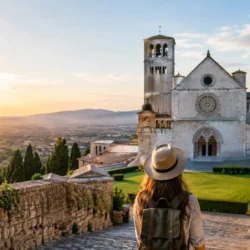
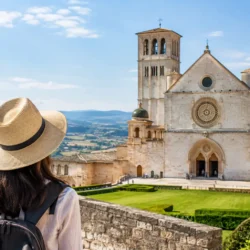
Assisi is a hill town with an extraordinary religious and artistic identity. Its historic center rises in soft pink and white stone, with narrow lanes, quiet viewpoints, Roman remains, and churches that have shaped Christian art and pilgrimage for centuries. The Basilica of St. Francis is the main draw, but Assisi rewards visitors who look beyond it, from the frescoes of Santa Chiara to the gardens and broad valley views near Rocca Maggiore.
Perugia is Umbria’s regional capital and feels more like a lived-in city than a single monumental destination. It has grand streets and hidden medieval passages, but also shops, cafés, museums, students, cultural events, and a strong local rhythm. Its compact historic center stands above the surrounding countryside, yet its atmosphere is distinctly urban.
Choose Assisi when you want a place with a clear sense of purpose and a slower, reflective mood. Choose Perugia when you want more variety after dark, deeper civic history, and an easy base for exploring several parts of central Umbria.
Why travelers choose Assisi
Assisi’s great strength is concentration. Within a walkable historic center, visitors encounter Roman temples, medieval houses, sweeping countryside, and some of Italy’s most important sacred art. Even travelers who are not religious often find the city moving because its history is visible everywhere.
St. Francis and the basilica
The Basilica of St. Francis is not simply a landmark to tick off. It is a vast artistic and spiritual complex, built over the saint’s tomb and decorated by major medieval painters including Cimabue, Giotto, and Pietro Lorenzetti. The upper and lower churches have very different atmospheres: one luminous and narrative, the other intimate and solemn.
A guided visit makes a real difference here. The fresco cycles, architectural choices, and Franciscan symbols are easy to overlook without context, particularly when the basilica is busy. An official local guide can turn a beautiful building into a story of faith, power, artistic innovation, and medieval Umbria.
A smaller scale and quieter pace
Assisi is ideal for couples, families, and independent travelers who enjoy wandering rather than rushing between attractions. Its streets can be steep, but distances are manageable. Pause at Piazza del Comune, where the Roman Temple of Minerva faces a medieval square, then continue upward toward Rocca Maggiore for views across the Umbrian plain.
The city is especially appealing in the early morning and late afternoon, when day visitors thin out. Staying overnight lets you experience its gentler side: bells carrying over rooftops, warm light on stone facades, and dinner in a small restaurant away from the busiest routes.
Who may find Assisi less suitable
Assisi can feel quiet, particularly outside peak season. Travelers looking for shopping, nightlife, or a long list of museums may prefer Perugia. The historic center is also built on a slope, so it requires more effort for visitors with limited mobility, although taxis and planning can make a visit more comfortable.
Why travelers choose Perugia
Perugia offers a richer mix of eras and everyday life. Its historic center is still wonderfully medieval, but beneath and around it are traces of the Etruscans, Romans, Renaissance patrons, and the powerful families who shaped the city. It suits travelers who like art and architecture but also want an aperitivo, a lively dinner, and plenty of choice.
A city built in layers
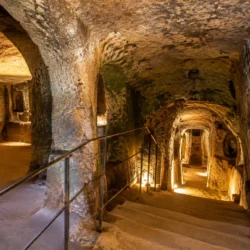
Perugia’s most surprising feature may be its underground past. Rocca Paolina, a 16th-century fortress constructed for Pope Paul III, contains streets and spaces from the medieval neighborhood it absorbed. Today, escalators carry visitors through this atmospheric route toward the historic center. It is a practical way to handle the hill, but it also feels like walking through a buried city.
Above ground, begin around Piazza IV Novembre. The Fontana Maggiore, the cathedral, and Palazzo dei Priori form one of central Italy’s finest civic spaces. Nearby, the National Gallery of Umbria holds an important collection of medieval and Renaissance art, including works by Perugino and Pintoricchio. Give it time if art is central to your trip.
Food, chocolate, and evening energy
Perugia has a more animated restaurant and bar scene than Assisi. You can find traditional Umbrian cooking, modern wine bars, market products, and casual places used by residents and students. It is also closely associated with chocolate, most famously during the annual Eurochocolate festival, when the city becomes particularly busy.
This is a good destination for travelers who want their cultural visit to continue into the evening. A walk along Corso Vannucci, followed by dinner in the historic center, offers a different kind of Umbrian pleasure from Assisi’s contemplative calm.
Who may find Perugia less suitable
Perugia is not as immediately picturesque or unified as Assisi. Its beauty reveals itself gradually, through hidden alleys, Etruscan gates, underground passages, and unexpected viewpoints. It can also feel more demanding to navigate on a first visit because the modern city spreads beyond the old town. A private walking tour is a useful way to understand the layout and focus on the places that matter most to you.
Practical planning: where should you stay?
Stay in Assisi if the city itself is a major reason for your trip. Two nights are particularly rewarding, allowing time for the Basilica of St. Francis, Santa Chiara, the Roman and medieval center, and a relaxed meal after the day-trippers leave. Assisi also works well if you are combining Umbria with nearby Spello, Bevagna, Montefalco, or the vineyards around the valley.
Stay in Perugia if you need a more connected base. The city has stronger transport links, more accommodations, and a wider choice of restaurants and evening activities. It is practical for day trips to Lake Trasimeno, Gubbio, Assisi, and other Umbrian towns, especially if you prefer not to change hotels frequently.
Driving visitors should remember that both historic centers have restricted traffic zones. Reserve parking in advance where possible, and do not assume your hotel is reachable by car. Perugia’s parking-and-escalator system is often convenient, while Assisi’s car parks sit below or outside the main historic areas.
Can you visit both in one day?
You can, but it is rarely the most satisfying way to do it. The journey between Assisi and Perugia is short, and a determined traveler could see the major highlights of each. Yet both places deserve more than a quick photo stop.
If you have only one day, choose the city that matches your interests. Choose Assisi for Franciscan heritage, sacred art, and a small medieval setting. Choose Perugia for civic history, museums, food, and a more energetic city atmosphere. With two days, devote one full day to each and resist the temptation to overfill the schedule.
With three or four days in Umbria, the question shifts from Assisi versus Perugia to how each can enrich the other. Begin in Perugia to understand Umbria’s Etruscan and urban character, then head to Assisi for its quieter spiritual landscape. Add a guided olive oil tasting, a winery visit, or a walk through a smaller hill town to see how the region’s history is tied to its fields, kitchens, and local traditions.
Choose the experience, not only the destination
A map may show Assisi and Perugia as close neighbors, but their personalities remain distinct. Assisi invites you to slow down and look upward, toward frescoed vaults, fortress walls, and the slopes of Mount Subasio. Perugia encourages curiosity at street level, where a medieval lane may lead to an Etruscan arch, an art-filled palazzo, or a table set for an unhurried Umbrian meal.
If you are unsure, let the kind of memory you want guide the decision. For a deeper visit, Umbria.tours can help you experience either city with an official local guide who brings its stories into focus. Then leave a little unscheduled time: the most lasting Umbrian moments often arrive between the monuments, over a glass of local wine or at the turn of a quiet stone lane.